
Understanding Suit Maintenance: Pressing vs. Dry Cleaning
A well-kept suit reflects discipline, respect, and awareness of detail within every setting that demands a refined appearance and presence. Many people assume care requires complex routines, yet proper habits rest on simple knowledge about the appropriate cleaning methods. Learning the differences between pressing and dry cleaning for suit maintenance will help you clean your investment with clarity and confidence.
The Nature of Suit Fabrics
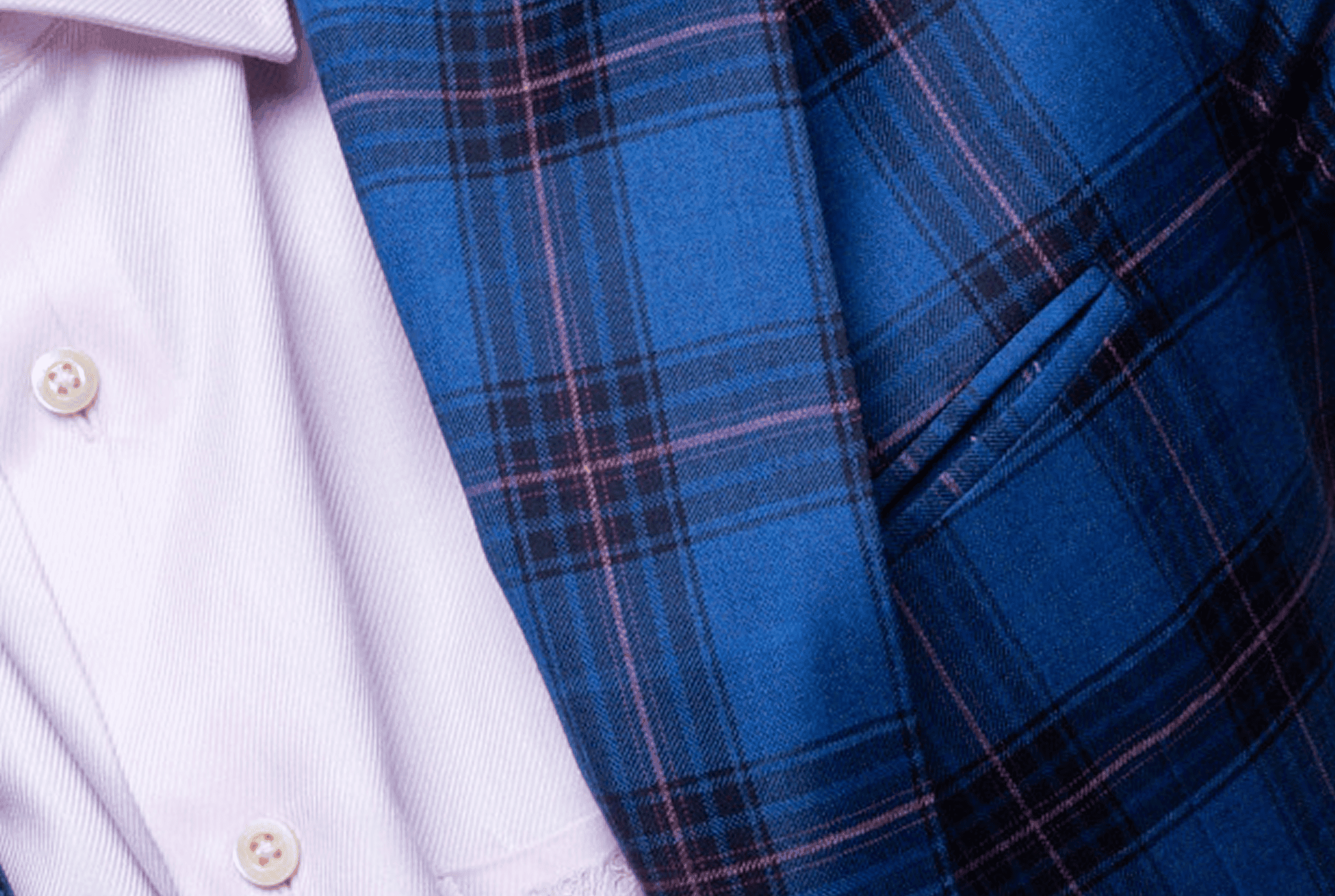
Fine suits rely on natural fibers such as wool, linen, or cotton, each with distinct traits that respond differently to heat and moisture. Wool fibers bend under steam and return to shape, linen resists structure, and cotton absorbs moisture with ease under controlled pressure. Fabric behavior determines whether pressing restores form or if cleaning methods must remove soil without damage to the structure or color.
What Pressing Achieves
Pressing uses steam and pressure to shape fabric without deep cleaning, which makes it ideal for restoring crisp lines and removing light wrinkles. Tailors apply heat with precision, allowing fibers to relax and settle into their intended form without abrasion or chemical exposure during the process. This method maintains structure and keeps suits ready for formal or professional settings with minimal wear on the material.
Understanding Dry Cleaning
Dry cleaning removes dirt, oils, and odors through solvent-based processes that clean without water to protect certain fabrics from shrinkage or distortion. Professional cleaners use specialized machines that circulate solvents through garments, dissolving residue without aggressive mechanical action during each cycle. This method suits garments that require deeper sanitation beyond surface care that pressing alone cannot achieve effectively.
The Role of Professional Tailors
Professional tailors understand fabric behavior and garment construction, which allows them to apply pressing techniques that restore shape without damage. Their expertise ensures lapels roll correctly, shoulders maintain structure, and trousers hold sharp creases that define a refined silhouette. To find the best bespoke suits in Miami and around the country, you can visit our stores to experience expert tailoring that supports creation and maintenance.
Common Mistakes to Avoid
Many people overuse dry cleaning due to convenience, which leads to unnecessary exposure to solvents that gradually weaken fibers and reduce garment lifespan. Others rely on improper home ironing that applies uneven heat, resulting in shine marks or distorted seams that compromise appearance and structure. Awareness of these pitfalls helps you adopt practices that support longevity and preserve quality.
Choosing between pressing and dry cleaning for suit maintenance rests on informed decisions that respect the fabric and purpose of each garment within a refined wardrobe. Pressing restores form and sharpness; dry cleaning removes deeper residue that requires more detail than surface care alone. A balanced approach, supported by proper storage and professional expertise, ensures suits remain elegant and ready for every occasion.